
Quick Summary
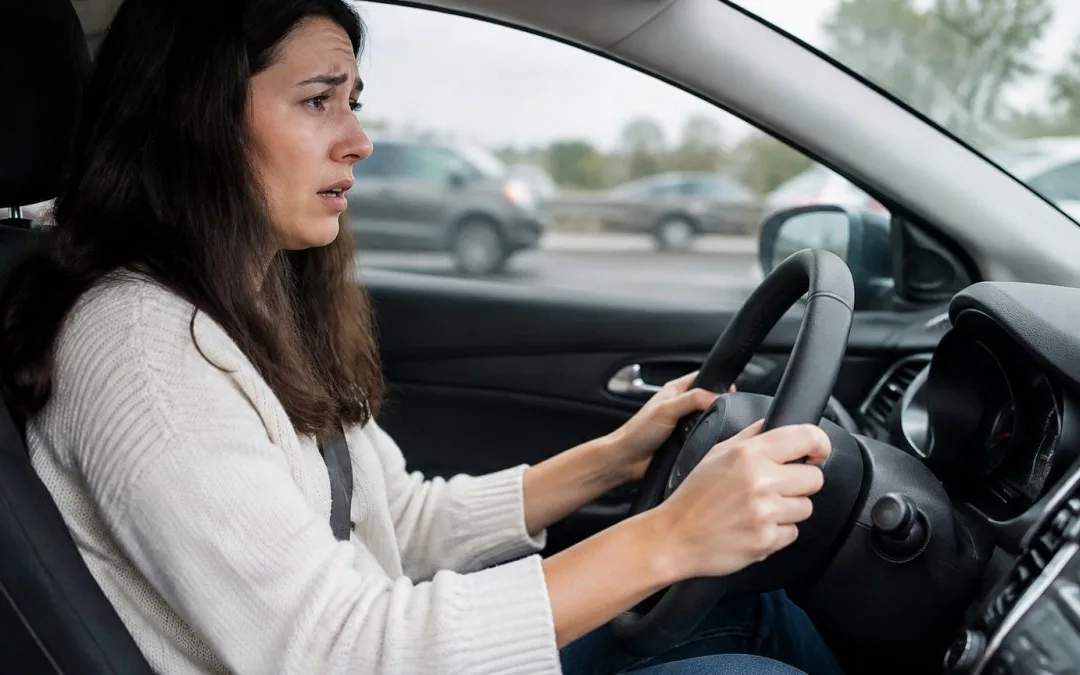
Driving anxiety is a fear response that appears behind the wheel, and it can be eased by slowing your breathing, grounding yourself in the present, and rebuilding confidence through short, gradual drives. Avoiding the road tends to keep the fear alive, so facing triggers one step at a time works best.
- Breathe in for four counts, hold briefly, then breathe out for six to help settle your body.
- Name three things you can see, two you can hear, and one you can feel to refocus on the drive.
- Pull over into a parking spot or quiet side street if needed, never in a traffic lane.
- Start with short, familiar trips in low-traffic areas and add one new challenge at a time.
- A patient instructor who sets the pace and does not criticise mistakes can make rebuilding confidence easier.
Table of Contents
- Why Driving Anxiety Happens and What It Feels Like
- How to Calm Anxiety While Driving Right Now
- Getting Back Behind the Wheel After a Crash or Bad Experience
- Frequently Asked Questions
Why Driving Anxiety Happens and What It Feels Like
Driving anxiety is a fear response that shows up behind the wheel, often before you even turn the key. Your heart races, your hands grip too tight, and your mind jumps to worst-case scenarios. Many people with driving anxiety say they feel trapped, even when the car is simply sitting in their driveway.
The fear usually has a cause. For some drivers it follows a crash or a near miss. For others it builds slowly after a stressful drive on a busy highway or a tense lesson with an impatient instructor. A common pattern is avoidance: skipping certain roads or turning down trips, which keeps the fear alive.
Driving anxiety can feel like:
- A tight chest or shallow breathing
- Sweaty palms and a shaky grip on the wheel
- Sudden urges to pull over or go home
- Racing thoughts about what could go wrong
Understanding why the fear starts is the first step to loosening its hold. Once you can name your triggers, you can plan how to face them.
How to Calm Anxiety While Driving Right Now
When anxiety hits on the road, your priority is to slow your body down. Start with your breathing: breathe in for four counts, hold briefly, then breathe out for six. The longer exhale signals your nervous system to settle.
Next, try a simple grounding step. Name three things you can see, two you can hear, and one you can feel, such as the steering wheel under your hands. This pulls your attention back to the present drive.
If you need a moment, pull over safely into a parking spot or a quiet side street. Do not stop in a traffic lane. Once parked, take a few slow breaths before continuing.
Many drivers find it helpful to keep a short list of calming steps in the glovebox, so they remember them when panic strikes.
Getting Back Behind the Wheel After a Crash or Bad Experience
After a crash or a frightening drive, the thought of returning to the road can feel overwhelming. That reaction is normal, and you do not have to rush back to full highway driving.
Start small, with short, familiar trips in low-traffic areas. Add one new challenge at a time, such as a slightly busier road, and repeat it until it feels manageable. This gradual approach gives your confidence room to rebuild.
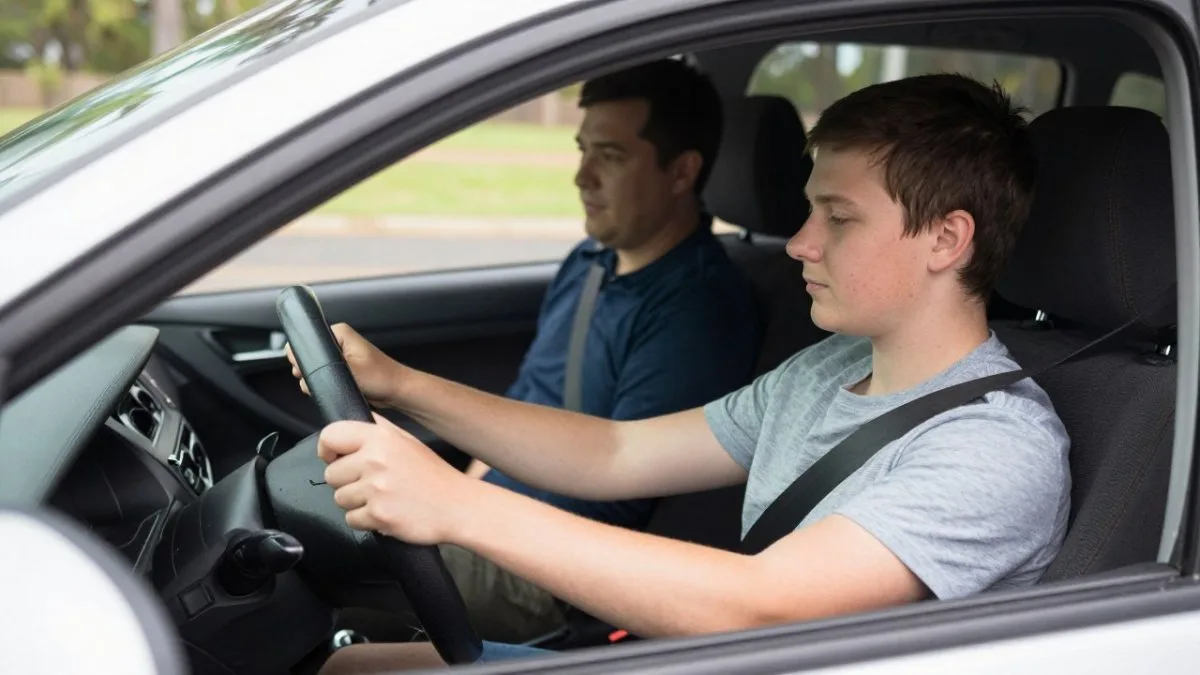
A patient, supportive instructor can make this process easier. Look for someone who lets you set the pace and does not criticise your mistakes. Drive2Shine offers lessons with dual-pedal cars, so an instructor can step in calmly if you feel unsure. book a driving lesson to start with a relaxed first session, or contact us to talk through your situation before you book.
If you want structured support for rebuilding your skills, our driving training options are available. Take the step that feels right for you. Find driving lessons in Greenvale with a local school that can help you get back on the road.
Rebuilding confidence works best when you add challenges gradually, one step at a time.
| Step | What to do | Pace |
|---|---|---|
| Start small | Short, familiar trips in low-traffic areas | Repeat until comfortable |
| Add one challenge | Try a slightly busier road | One new challenge at a time |
| Find a patient instructor | Someone who sets the pace and does not criticise mistakes | Relaxed first session |
| Use dual-pedal support | Instructor can step in calmly if you feel unsure | During lessons |
Frequently Asked Questions
How can I overcome anxiety about driving?
Start with short, quiet drives on familiar roads and build up slowly. Use breathing and grounding techniques before and during each drive, and keep a simple log of what felt hard and what got easier. Many people find that repeated, short practice works better than long, stressful sessions. If anxiety is severe, or it stops you from driving at all, a GP or mental health professional can offer structured support such as cognitive behavioural therapy.
Can driving anxiety go away?
For many people, driving anxiety eases with consistent, gradual practice and calming strategies. Progress is often uneven, with setbacks along the way, and that is normal. Setbacks do not mean you have failed. Returning to the same situation regularly, and noticing that the outcome was safe, is what helps the fear shrink over time. Professional support can speed this up if the anxiety is intense or long-standing.
Can driving lessons help with driving anxiety?
Yes, particularly when the instructor is patient and works at your pace. At Drive2Shine, our instructors are qualified and certified, and lessons can be booked for automatic or manual vehicles, including dual-pedal cars for added safety. For current pricing and lesson options, please visit the Drive2Shine website or request a quote.
