
Last Updated: November 26, 2026
Quick Summary
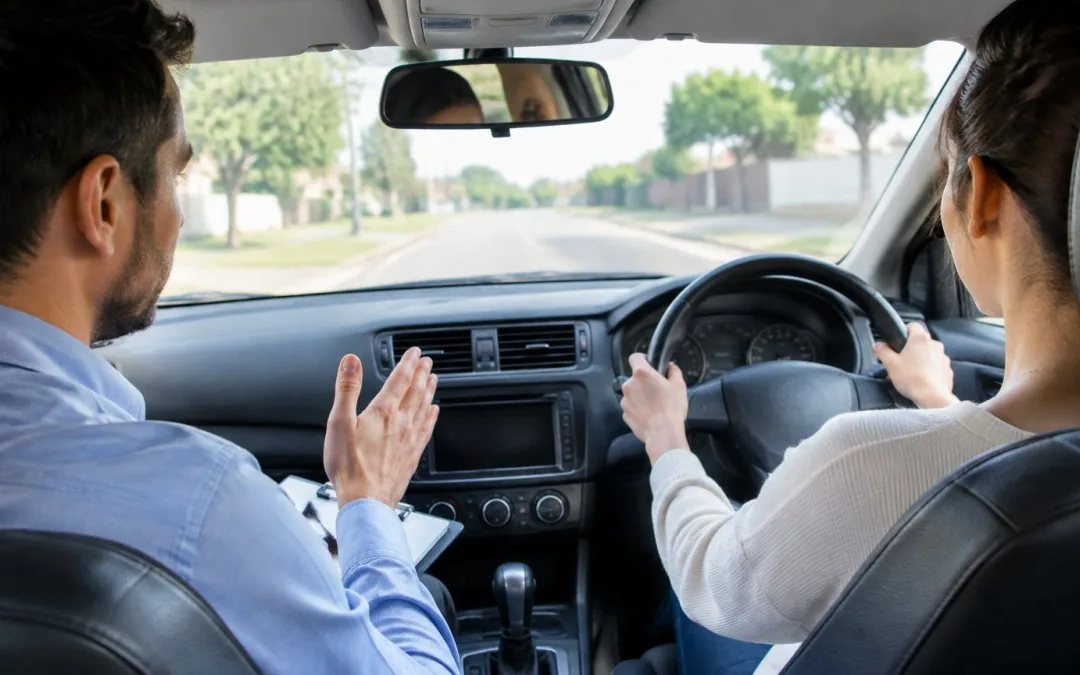
Your first driving lessons for nervous learners are mostly familiarisation: adjusting your seat and mirrors, learning the controls, and taking a slow drive on quiet roads. Tell your instructor how you feel and name your specific triggers beforehand. There is no fixed number of lessons, since readiness depends on your comfort on the road as well as your skill.
- Tell your instructor how you feel and name specific triggers before the first lesson.
- Expect the first session to cover seat position, mirrors, controls and a slow drive.
- Practise short, calm drives of about ten minutes on a quiet route between lessons.
- Keep a simple log of what felt manageable and review it with your instructor.
- Choose an instructor whose pace suits you.
Table of Contents
- First Driving Lesson Tips for Nervous Learners
- Driving Anxiety Tips That Work Between Lessons
- How Many Driving Lessons Do You Need to Feel Ready?
- Frequently Asked Questions
First Driving Lesson Tips for Nervous Learners
Nervous learners often wonder whether their driving lessons will feel like a test from the first minute. At Drive2Shine, lessons use dual-pedal vehicles to create a safe and supportive learning environment. Australian driving-anxiety research published by The Ohio State University
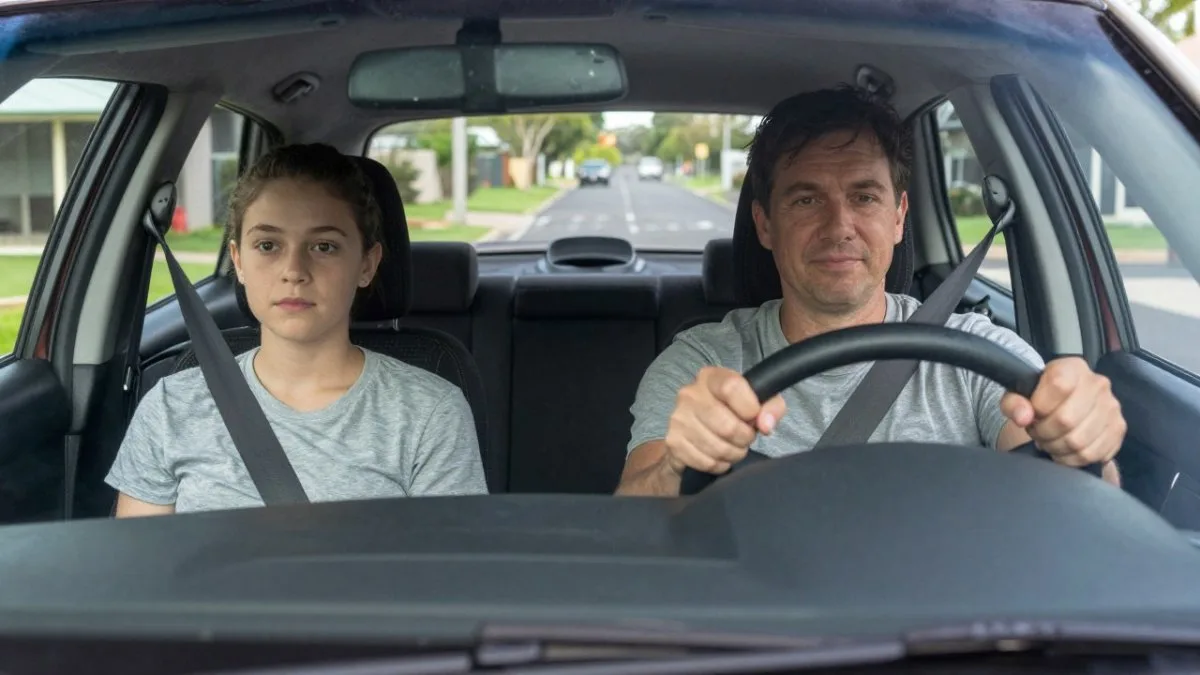
Before your first lesson, tell your instructor how you feel. Mention any specific triggers, such as merging, roundabouts or reversing. Bring a short list of questions so the lesson stays focused on what matters to you.
Expect the first session to be mostly familiarisation: seat position, mirrors, controls and a slow drive on low-traffic roads. You can book a lesson with Drive2Shine to see what that first session involves.
Driving Anxiety Tips That Work Between Lessons
Practise short, calm drives with a supervising driver between lessons. Ten minutes on a quiet route builds more confidence than one long, stressful drive. Breathe slowly before you start, and stop somewhere safe if your heart rate climbs.
Keep a simple log of what felt manageable and what did not. Review it with your instructor, so each lesson builds on what you have already practised. For a fuller set of steps, read our seven-step guide to overcoming driving anxiety.
Between lessons, short and calm practice drives make a real difference. The article suggests the following approach.
| Practice element | Suggested approach | Detail |
|---|---|---|
| Drive length | Short, calm drives | Ten minutes on a quiet route |
| Supervision | Supervising driver | Drive between lessons with someone present |
| Breathing | Slow breaths before starting | Pause before you set off |
| Stopping | Stop somewhere safe | If your heart rate climbs |
| Progress record | Simple log | Note what felt manageable and what did not |
How Many Driving Lessons Do You Need to Feel Ready?
There is no fixed number of lessons. Most nervous learners progress at their own pace, and readiness depends on comfort on the road as much as on skill.
If you are unsure how many lessons to book, learn how long learning to drive typically takes. It is also worth choosing an instructor who suits your pace, as explained in how to find a patient and supportive driving instructor.
Ready to take the first step? Book a lesson with Drive2Shine and start at your own pace.
Frequently Asked Questions
How do I start driving lessons if I’m nervous?
Start by telling your instructor about your nerves before the first drive. Ask for a quiet street, short sessions and a clear explanation of each step before you do it. A good instructor for nervous learners will let you set the pace and will not rush you into traffic. Drive2Shine uses dual-pedal vehicles to create a safe learning environment. Pricing depends on lesson length and booking options, so check the Drive2Shine website for current rates or request a quote before you book.
Can driving lessons help with driving anxiety?
Yes, structured lessons can reduce driving anxiety when they build skills gradually. Each lesson that ends with a small, achievable win gives you evidence that you can manage the car. Practising in familiar areas first, then moving to busier roads, helps your confidence grow in steps. Lessons work best alongside the coping habits you practise between sessions. If anxiety feels severe or includes panic attacks, speak to a doctor or mental health professional as well as your instructor.
How many driving lessons does it take to feel confident?
There is no fixed number, because confidence depends on your starting point, how often you practise and how much anxiety you bring to the car. Many nervous learners need more lessons than they expect, and that is normal. Regular lessons spaced close together usually build confidence faster than occasional ones. Ask your instructor for a realistic estimate after your first few lessons, once they have seen how you handle the car.
